
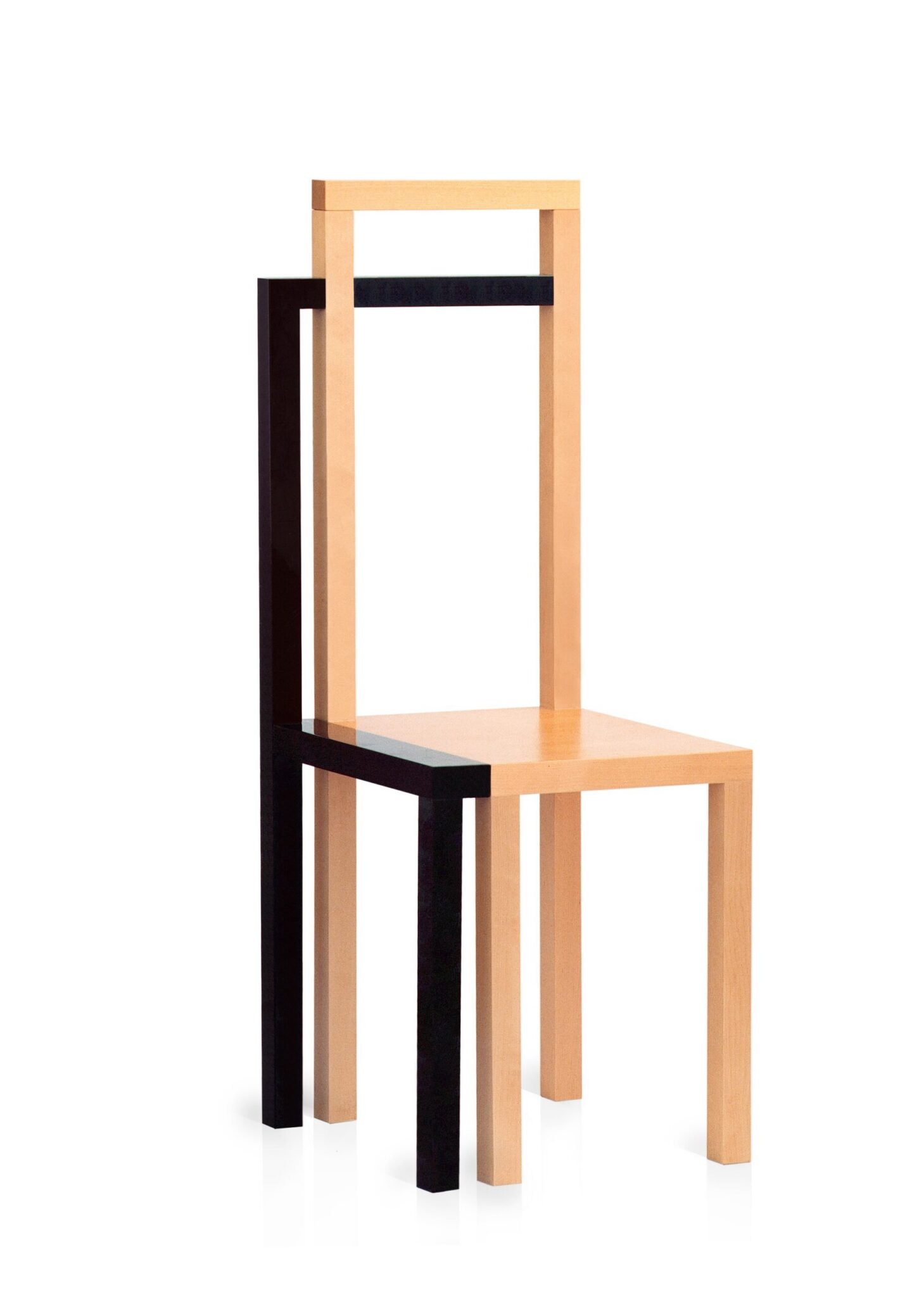
Robert Wilson DiAlogs: Designed and Found Objects, 1960s–2020s
July 25 – September 10, 2026
Curated by Noah Khoshbin and Fisher Bradford
BOOK YOUR VISIT
For guided exhibition tours, sign up HERE.
For viewing by appointment, email visit@watermillcenter.org.
The Watermill Center is pleased to present DiAlogs, the largest exhibition devoted to Robert Wilson’s three-dimensional works since the landmark 1991 retrospective Robert Wilson’s Vision. Bringing together sculpture, design, and found objects from The Watermill Center Collection, the exhibition spans more than six decades, from the 1960s through the 2020s, offering one of the most comprehensive examinations of Wilson’s object-based practice in over thirty years. Opening one year after the artist’s passing, DiAlogs reconsiders the sculptural works Wilson conceived for the stage – objects long understood within the context of his theatre that have equally been recognized as singular contributions to postwar sculpture, architecture, and design.
One of the defining artistic figures of the twentieth and twenty-first centuries, Wilson transformed the visual language of contemporary culture across a career spanning more than sixty years. Celebrated internationally as a theater director, visual artist, architect, designer, collector, and curator, he brought a sculptor’s sensibility to each, pursuing a singular investigation into proportion, geometry, light, stillness, material, and the experience of time.
Spanning more than half a century of Wilson’s work, the exhibition gathers sculptures that first came to life in the theater. Conceived for the stage and later realized as autonomous sculptures, each brings the precision, poetry, and quiet intensity of its origins into a life fully its own. Curated by Noah Khoshbin, Curator of The Watermill Center and one of Wilson’s closest collaborators for nearly three decades, the exhibition draws on a long history of shared work in the conception, realization, and interpretation of Wilson’s practice. Many of the works were developed over decades of that collaboration and are shown together publicly for the first time.
“Wilson shares a lineage with Donald Judd and Isamu Noguchi, who in America opened the space between sculpture, architecture, furniture, and lived experience,” shares curator Noah Khoshbin. “What sets Wilson’s work apart is where it began: not in the studio, but in the theatre itself. The stage became his studio, a place of continual invention where scale, proportion, material, light, movement, and silence could be explored and reimagined. Sculpture was always one of his essential languages, woven through everything he created.”
Installed at The Watermill Center—the site Wilson conceived, built, and continuously transformed over more than three decades—DiAlogs offers a rare opportunity to encounter these works within the environment that gave rise to many of their earliest ideas. Rather than separating the objects from the world in which they were conceived, the exhibition returns them to the site that functioned as both laboratory and living work of art, revealing the profound continuity between Wilson’s practice as a theatre maker, sculptor, architect, designer, and collector.
Image: Robert Wilson, Parzival: a chair with a shadow, 1987